

Pressure cookers whistle, tadkas crackle, and curries simmer for hours in Indian kitchens every day. With constant heat, oil, and acidic ingredients involved, the cookware you use matters more than most people realise. That is why many households today are switching to non-toxic cookware that feels safer and more reliable for daily cooking. From cast iron and ceramic to stainless steel, each material brings different strengths to Indian cooking, depending on your recipes, maintenance preference, and everyday kitchen routine.
Why Are People Switching to Non-Toxic Cookware?
The shift is largely driven by awareness of synthetic coatings and chemicals such as PTFE, PFOA, and PFAS, especially as cookware ages, develops scratches, or is repeatedly exposed to intense heat. Indian cooking makes this conversation even more relevant as our food often involves acidic ingredients, long cooking times, and frequent use of the stove. Understandably, many home cooks now want non-toxic cookware that feels safer, lasts longer and supports cleaner everyday cooking habits without turning dinner into a science experiment.
What Makes Cookware Toxic or Non-Toxic?
Cookware becomes toxic or non-toxic mainly based on the materials and coatings used, especially when exposed to high heat and daily cooking.
-
PTFE or Teflon coatings: Common in traditional non-stick pans, these coatings can wear down over time, particularly with rough handling or excessive heat.
-
PFOA and PFAS: Often linked to chemical-based coatings, these substances are now widely avoided by people searching for safer pots and pans.
-
Lead and cadmium: Sometimes found in low-quality glazes or coatings, especially in poorly regulated cookware.
-
Synthetic dyes and finishes: Decorative exterior coatings may contain unnecessary chemicals in cookware designed for daily food contact.
-
Low-grade metals: Inferior stainless steel or poorly finished alloys can corrode or react with acidic foods over time.
When shopping for the healthiest cookware, look for transparent brands, quality certifications, and clearly labelled non-toxic cookware materials.
Is Stainless Steel Non-Toxic?
Stainless steel is generally considered one of the safest pots and pans for everyday cooking. It is made from iron combined with metals such as chromium and nickel, which help resist rust and corrosion. Good-quality stainless steel does not rely on synthetic coatings, making it a practical option for Indian kitchens.
The quality of stainless steel is important. Good-quality options like 304 or 18/8 stainless steel are stronger, more durable, and less likely to react with food. Lower-quality steel can bend, develop spots, or sometimes affect the taste of acidic dishes like tomato curry. If your food has ever had a slight metallic taste after cooking, the cookware could be the reason.
Why Is Cast Iron Considered Safe Cookware?
Raw cast iron has earned its reputation honestly. It contains no synthetic Non-stick coating and has been used for generations in Indian kitchens. Many cooks appreciate it for slow cooking, roasting and dishes that benefit from steady, even heating.
There are two main types to know: raw and enamelled cast iron. Raw cast iron develops a natural seasoning layer over time, while enamelled versions use a coated surface for easier maintenance. With either option, quality is key. A well-made cast-iron kadai or Tawa should feel solid, balanced, and smoothly finished, not rough enough to sand furniture.
Is Ceramic Cookware Safe for Everyday Cooking?
Ceramic cookware has become a popular choice for people seeking modern, non-toxic alternatives to traditional chemical coatings. High-quality ceramic coatings are usually mineral-based and free from PTFE, PFAS, and Teflon, making them a safer option for everyday cooking.
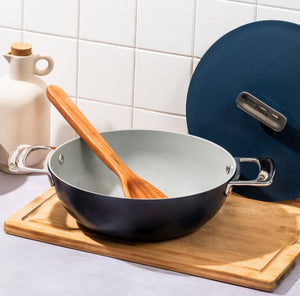
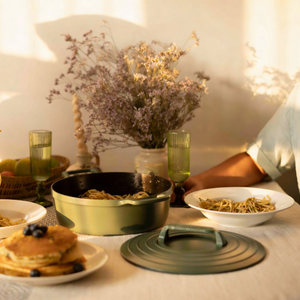
Some cheaper ceramic cookware products use unclear claims without proper testing or certifications. Ember Cookware's ceramic collection stands out as India's first 100% non-toxic ceramic pan, made with a proprietary 9H ceramic coating that contains no PFAS, lead, or Teflon. It also distributes heat evenly, so everyday cooking works best even on low-to-medium heat.
What is the Healthiest Cookware for Indian Cooking?
The healthiest cookware for Indian cooking is one that handles high heat, acidic ingredients, and daily use without releasing harmful chemicals into your food.
|
Feature |
Cast Iron |
Ceramic |
Stainless Steel |
|
Toxin-free |
Yes, if high quality |
Yes, if certified |
Yes, if high grade |
|
Heat tolerance |
Excellent steady heat |
Best on low-to-medium heat |
High |
|
Good for high heat |
Yes |
Not ideal |
Yes |
|
Acidic food safe |
Moderate |
Yes |
Yes |
|
Maintenance |
Needs seasoning |
Easy |
Moderate |
|
Lifespan |
Very long |
Moderate to long |
Very long |
|
Health ranking |
Excellent |
Excellent |
Excellent |
The healthiest cookware depends less on trends and more on how you cook, maintain and use your pans daily.
Safest Pots and Pans - What to Look for Before Buying
A few smart checks can make choosing non-toxic cookware much easier.
-
Lab certifications: Check for recognised testing standards such as SGS or FDA compliance.
-
PTFE-free labels: Look for cookware clearly labelled free from PTFE, PFAS and related chemicals.
-
Base material quality: Good aluminium, stainless steel or Cast Iron construction improves durability and safety.
-
Brand transparency: Trust brands that openly explain materials, coatings and manufacturing processes.
-
Warranty and support: Reliable cookware brands usually stand behind their products with proper warranties.
Good cookware should be safe, reliable and built for everyday cooking.
Conclusion
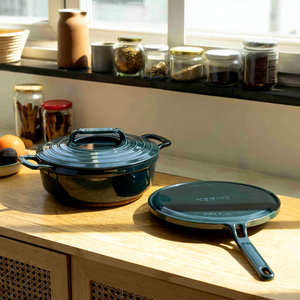
If you enjoy traditional slow cooking and sturdy cookware, Cast Iron remains a strong choice. Stainless steel suits cooks who want durability and flexibility. Ceramic cookware is ideal for health-conscious kitchens focused on low-oil cooking and modern convenience. Ember Cookware combines clean living with everyday cooking through its Ceramic Frypan, Tawa, Kadai, and Dutch Oven, all designed in California and made in Italy with a proprietary 9H ceramic coating free of PFAS, lead, and Teflon.
Frequently Asked Questions (FAQs)
Q. What Is The Healthiest Cookware For Everyday Indian Cooking?
Ceramic, Cast Iron and high-grade stainless steel are all considered good non-toxic cookware options. The best choice depends on your cooking habits, maintenance preferences, and heat usage.
Q. Is Stainless Steel Cookware Non-Toxic And Safe To Use?
Yes, high-quality stainless steel cookware is generally considered safe because it does not rely on synthetic coatings and resists corrosion well.
Q. Which Cookware Material Is Safest For Health: Cast Iron, Ceramic, Or Stainless Steel?
All three can be safe when sourced from reliable brands and used correctly. Quality and material standards matter more than marketing claims.
Q. What Should I Check Before Buying Non-Toxic Cookware?
Look for PTFE-free labels, trusted certifications, transparent material information and strong product warranties.
Q. Why Is Low-To-Medium Heat Recommended For Ceramic Cookware?
High-quality ceramic coatings distribute heat efficiently, so excessive temperatures are unnecessary. Cooking at low to medium heat also helps preserve the coating and extend the cookware’s lifespan.
