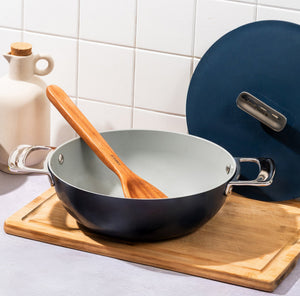
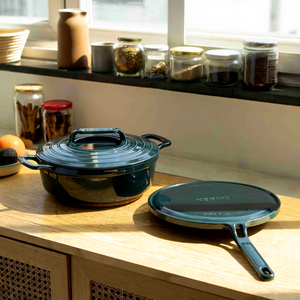


No coating. No rules. No limits. India's most advanced uncoated stainless steel pan.


- NanoFusion™ technology
- Uncoated, non-stick
- Unparalleled heat distribution
- Designed in California



3 reasons why you love SuperPan™
Stainless steel, re-engineered.
Wide enough to sear. Deep enough for curries, dals and everyday dinners.
A Closer Look
 1
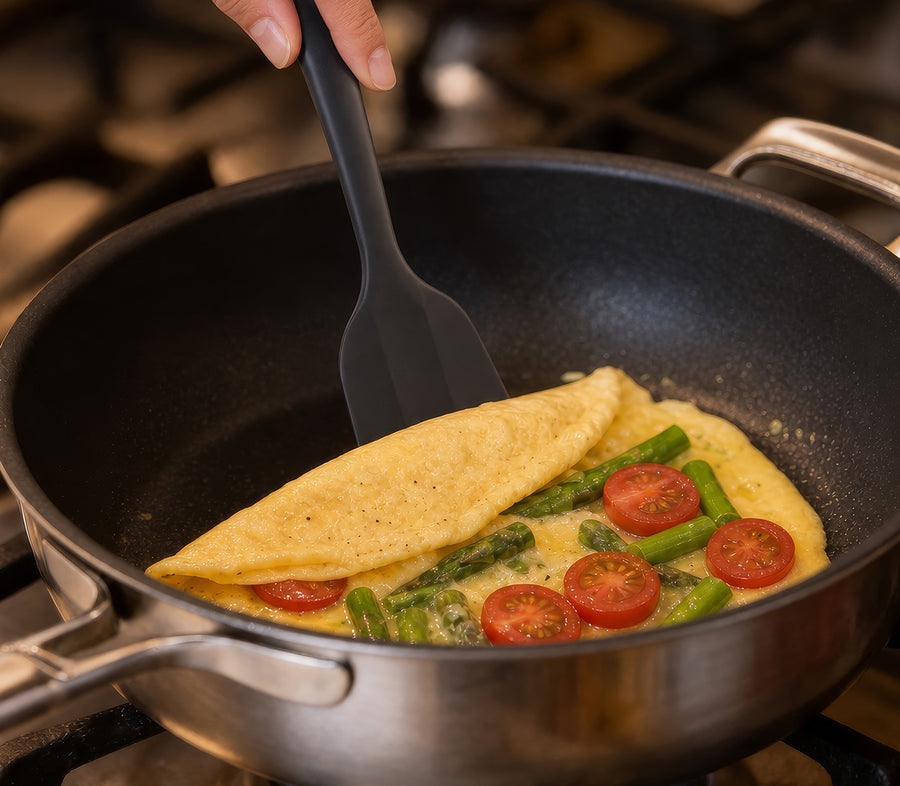
NON-STICK. WITHOUT THE COATING.
Food releases naturally, without a single layer added. NanoFusion™ transforms the steel itself, so there's nothing to spray, coat, or wear away over time
 2
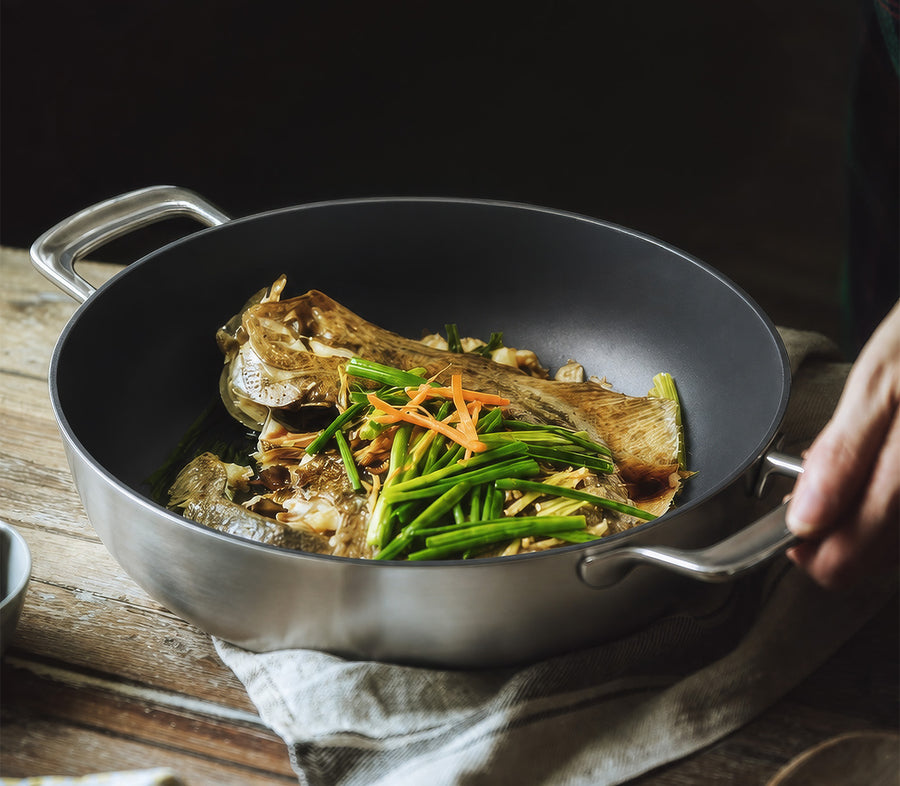
HANDLE WITHOUT CARE.
Metal utensils, every day, without a second thought. The engineered surface is built to take it, so you can cook the way you actually cook.
 3
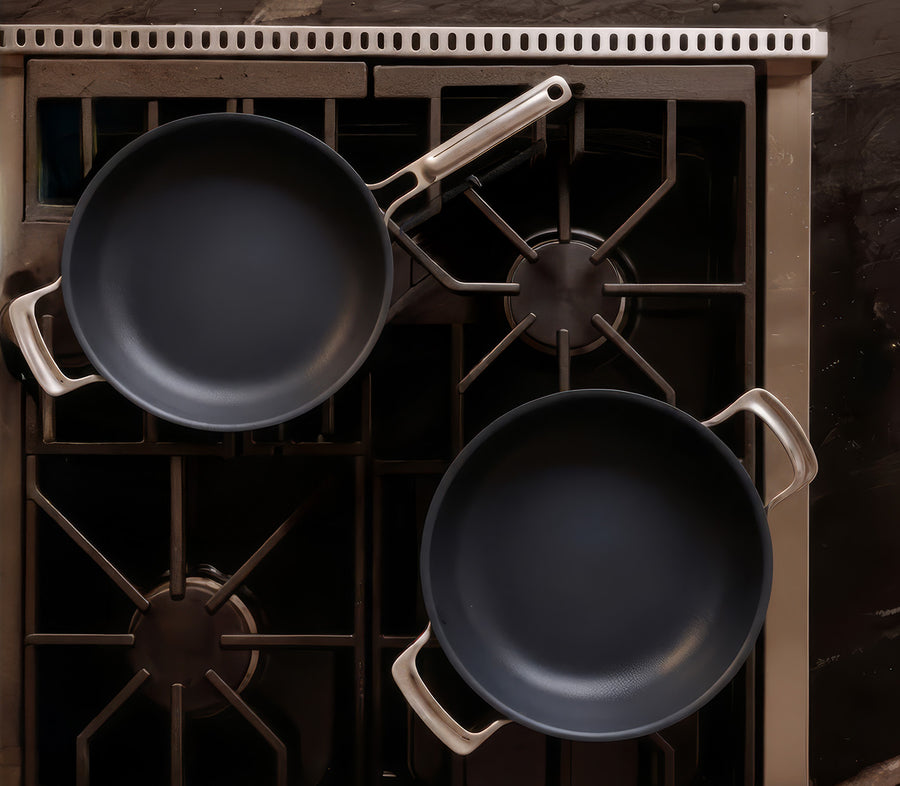
NOTHING TO HIDE.
No PTFE, no PFOA, no chemicals. What you see is what's cooking your food, nothing more.
 4
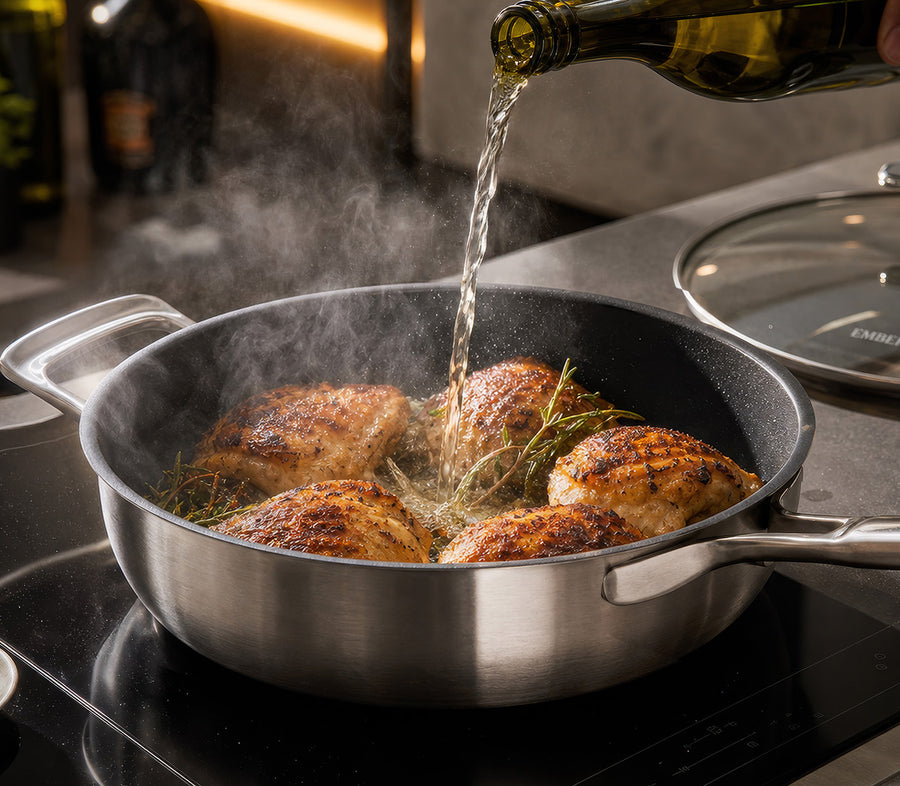
BUILT IN LAYERS. BUILT TO LAST.
Layered stainless steel and aluminium, engineered for even heat from edge to edge. No hot spots, no guesswork, just consistent cooking every time
8 Functions, 1 Pan
Let's break down the magical multi-functionality of the wash-for-it everyday Cast Iron Always Pan.
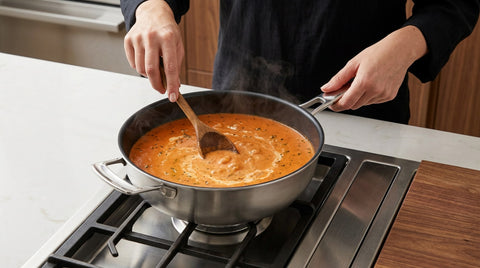
- Simmer
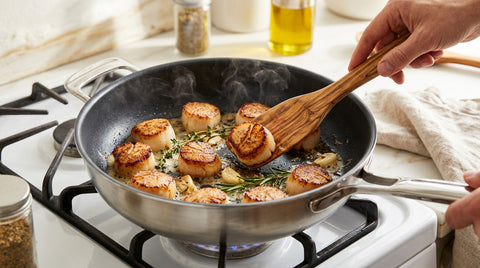
- Sear
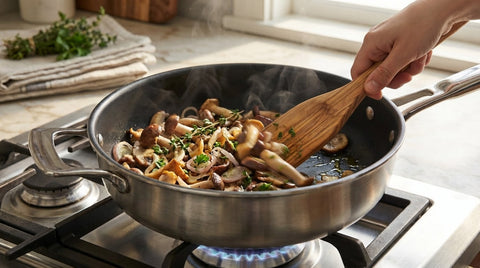
- Sauté
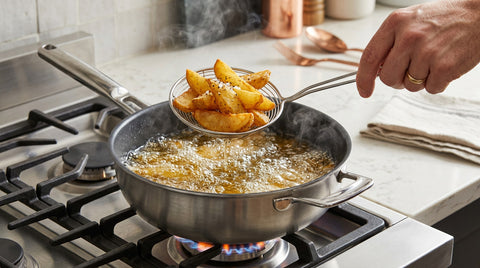
- Deep Fry
- Boil
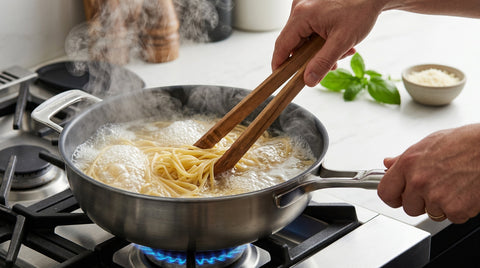
- Steam
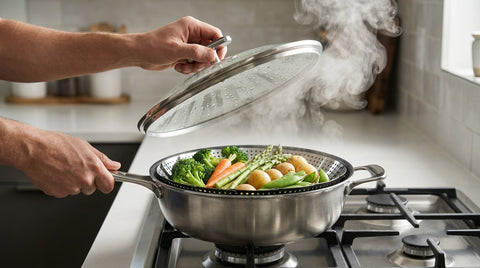
- Bake
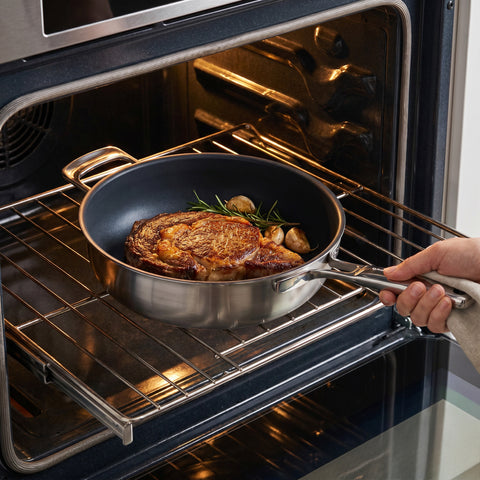
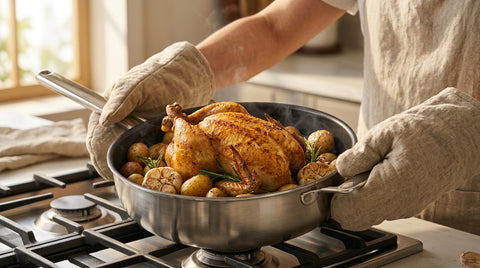
- Roast
Our Most Loved collection
Shop home cook favourites for prepping, cooking, hosting, and much more
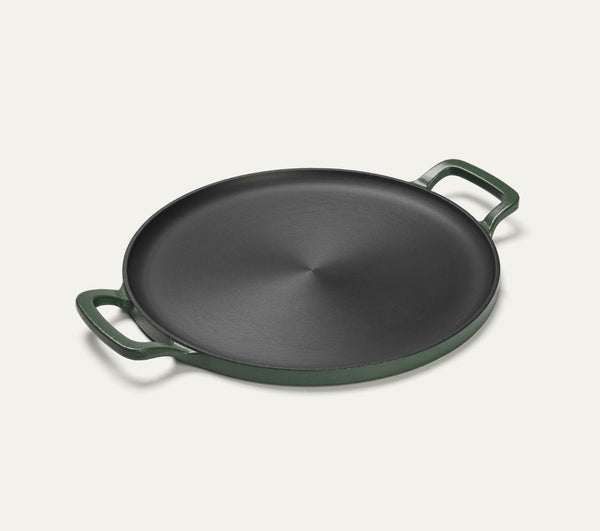
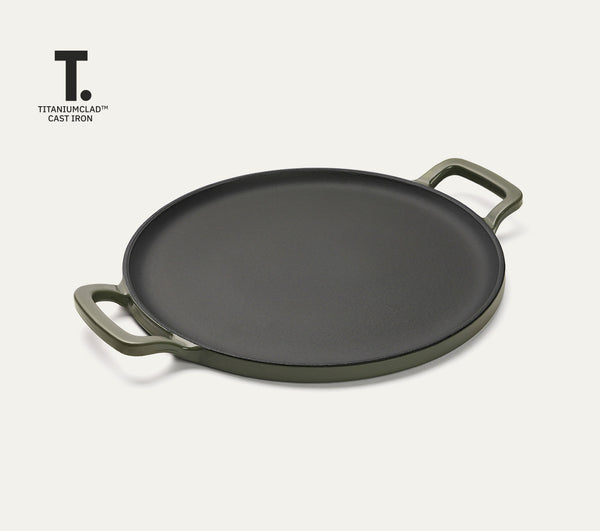
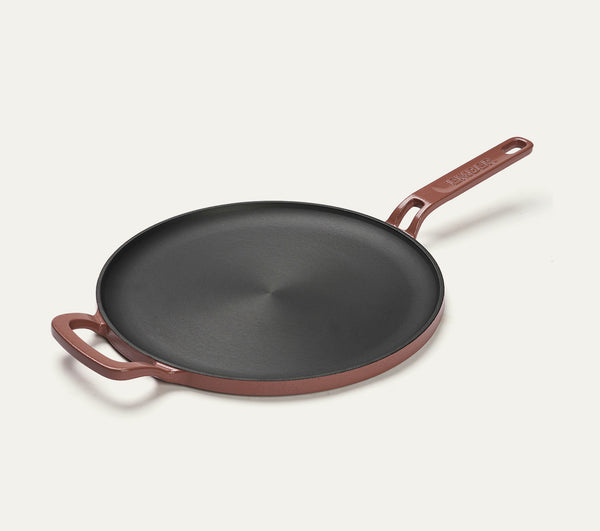
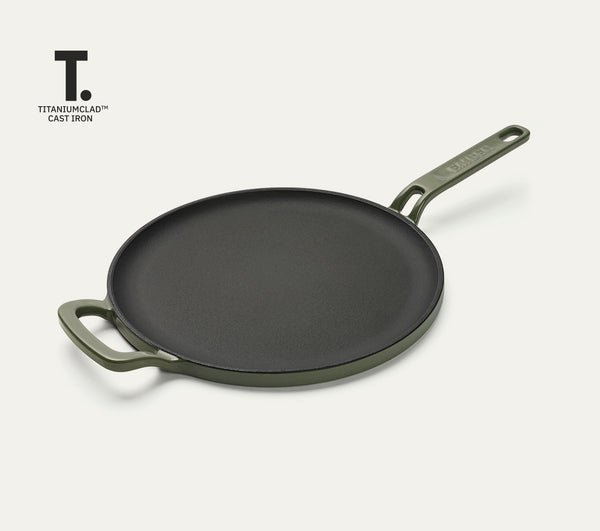
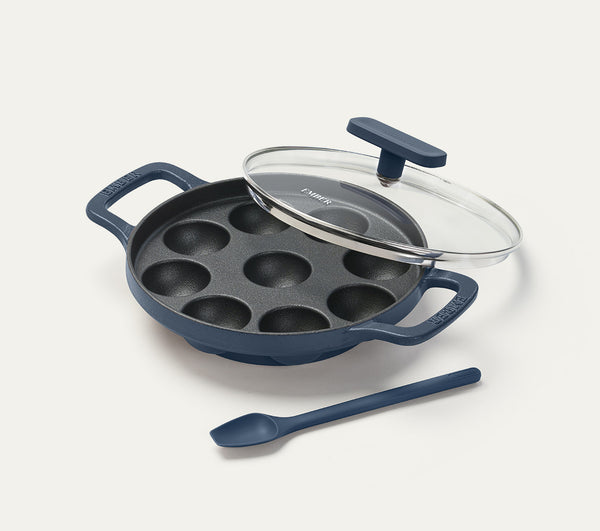
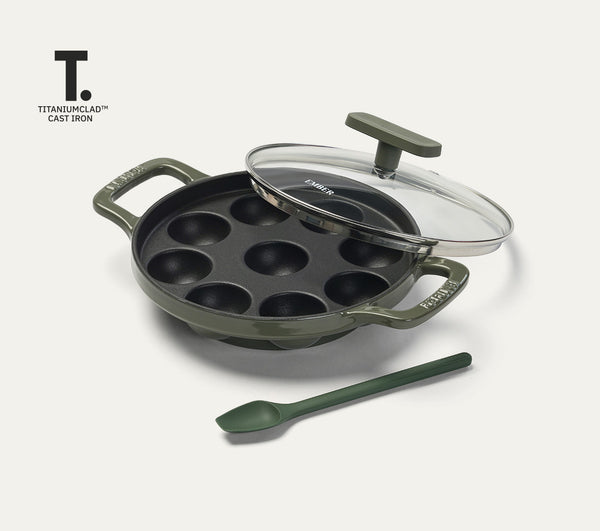
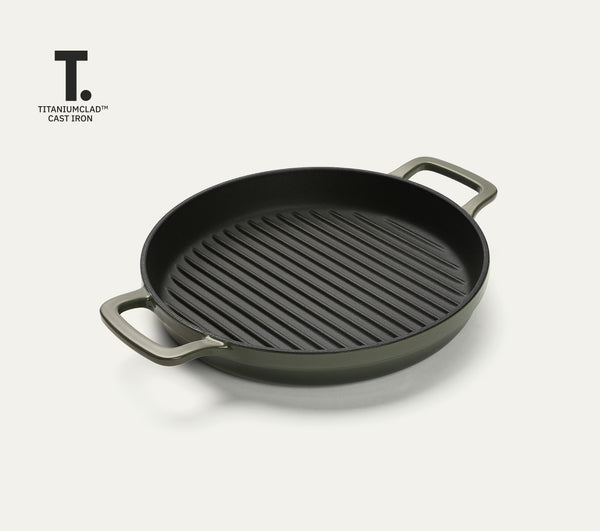
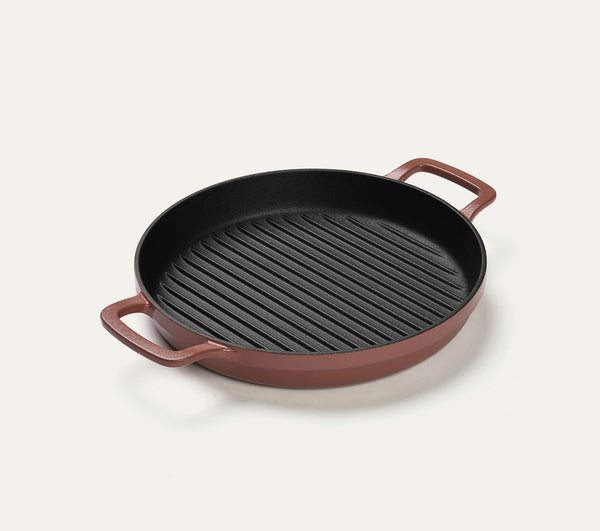
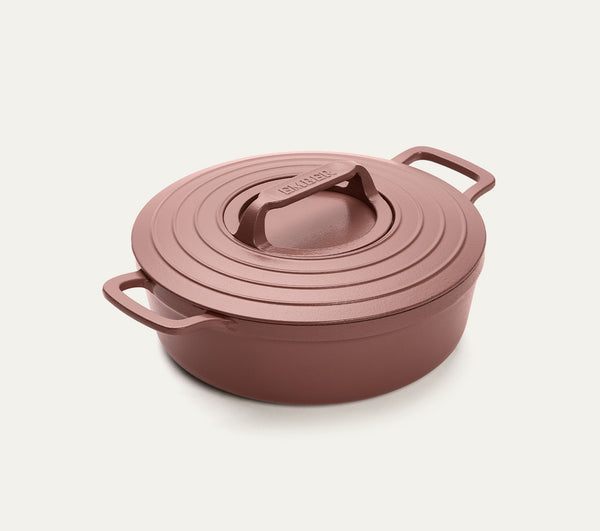
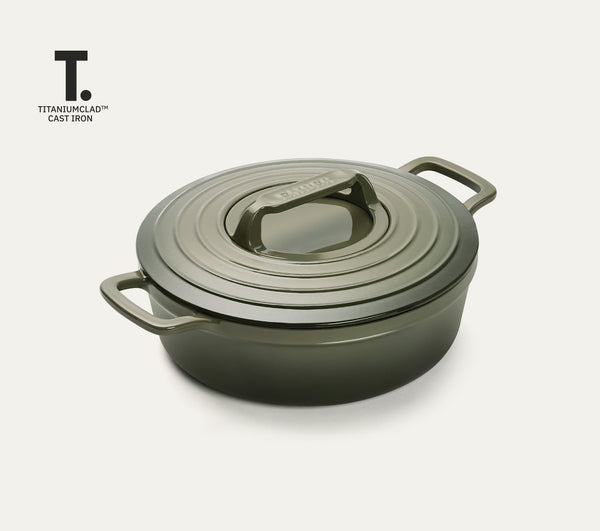
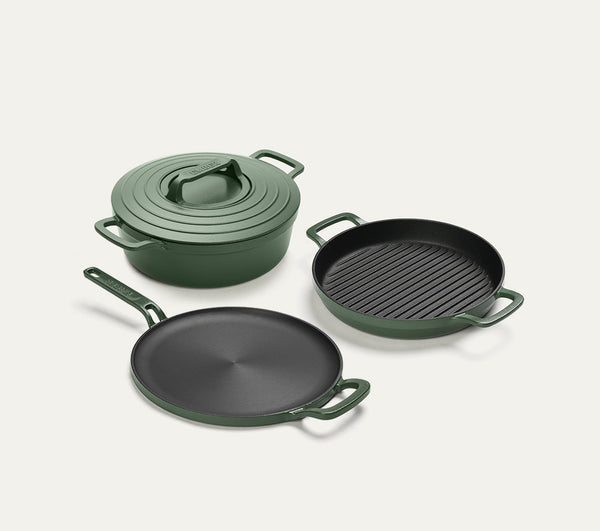
Includes Tawa 27cm, Grill Pan & Dutch Oven
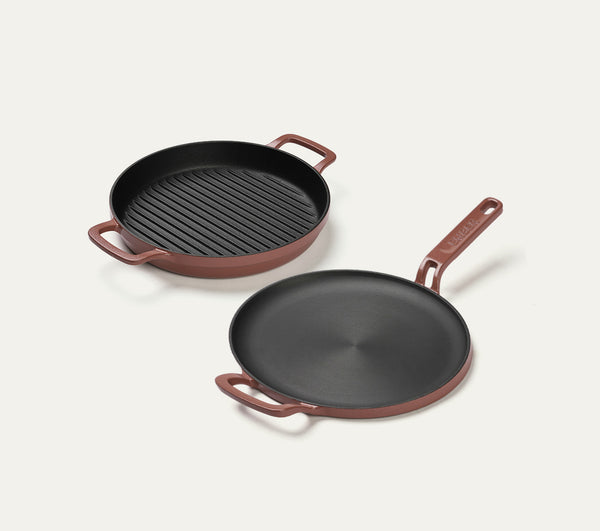
Includes Tawa 27cm & Grill Pan

Includes the best of every material- ceramic, cast iron, and stainless steel

Includes ceramic and pre-seasoned cast iron, for everyday cooking with less oil
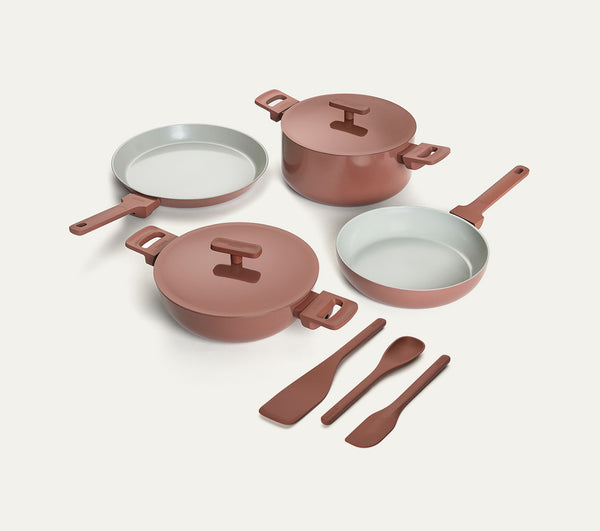
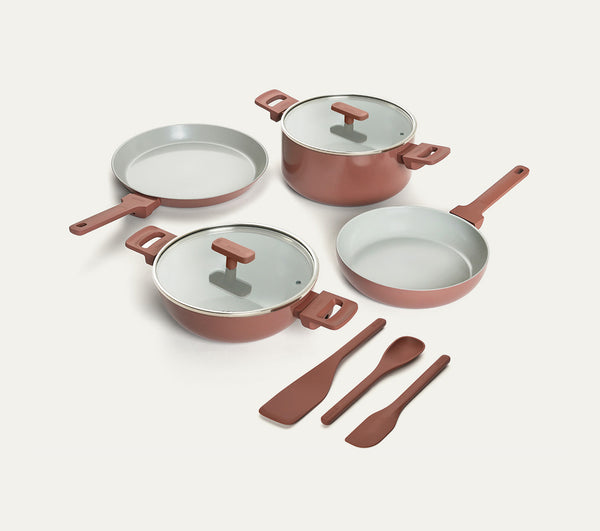
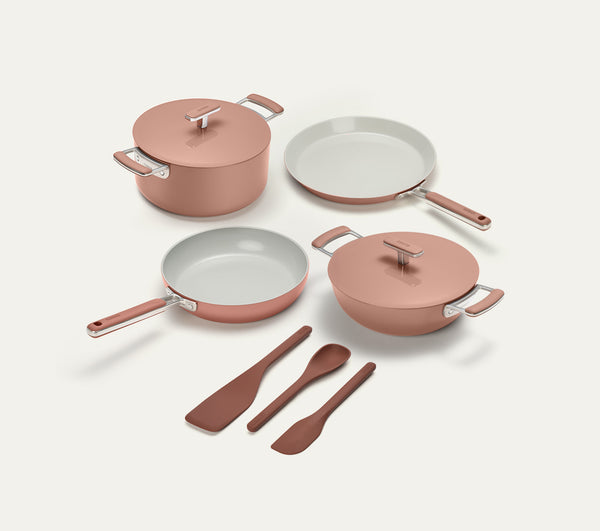

Stainless Steel Handle
Includes storage, Dutch Oven, Kadai, Frypan & a Flat Pan
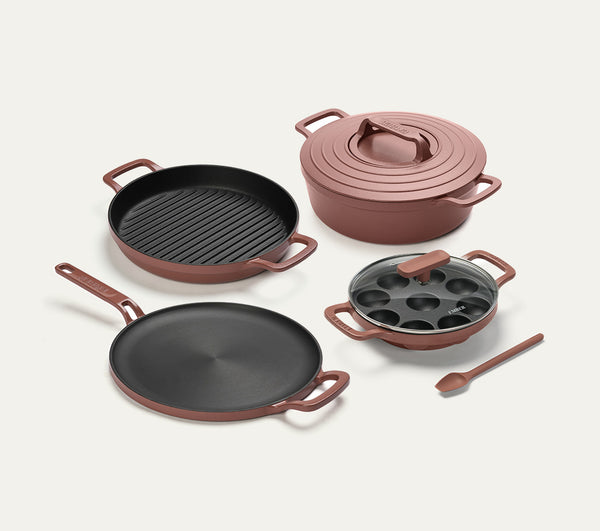
Includes Tawa 27cm, Grill Pan, Appe Pan & Dutch Oven
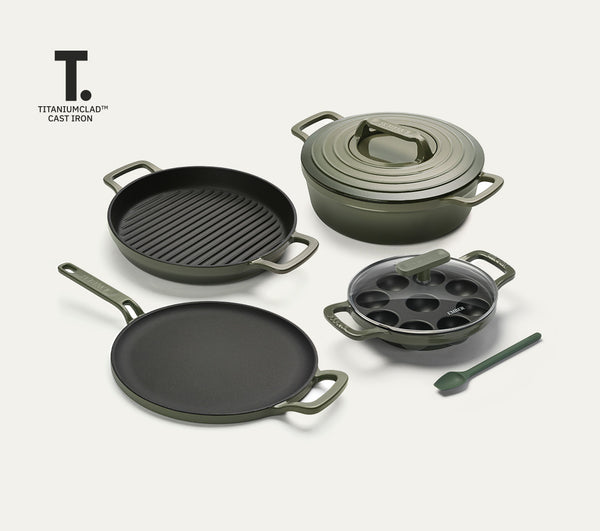
Includes a Tawa 27cm, Dutch Oven, Grill Pan & Appe Pan
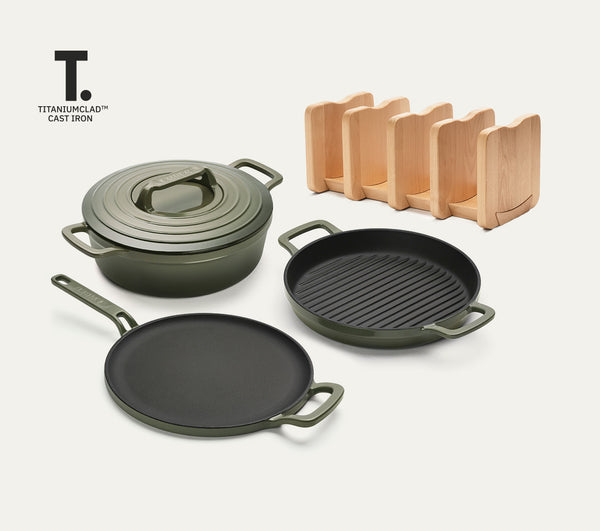
Includes storage, Tawa 27cm, Dutch Oven & Grill Pan
Includes Tawa 27cm, Grill Pan & Dutch Oven
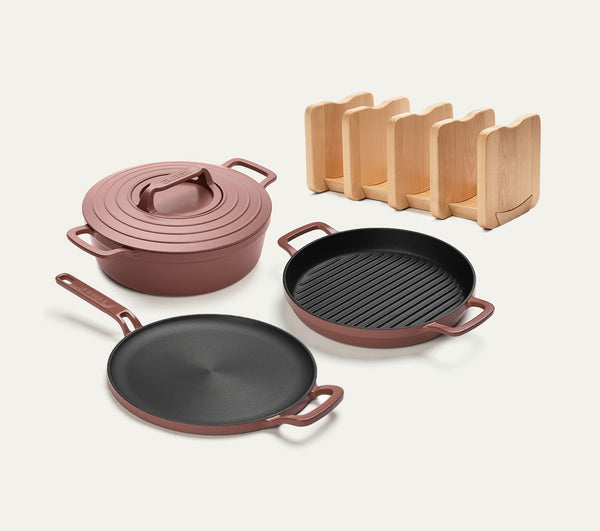
Includes storage, Tawa 27cm, Grill Pan & Dutch Oven
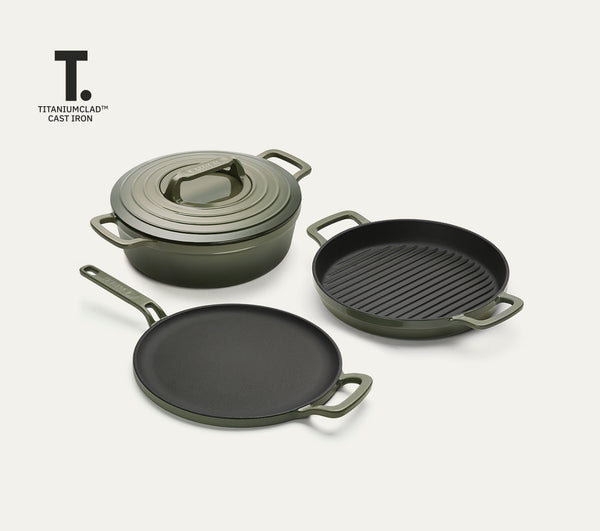
Includes a Tawa 27cm, Dutch Oven & Grill Pan
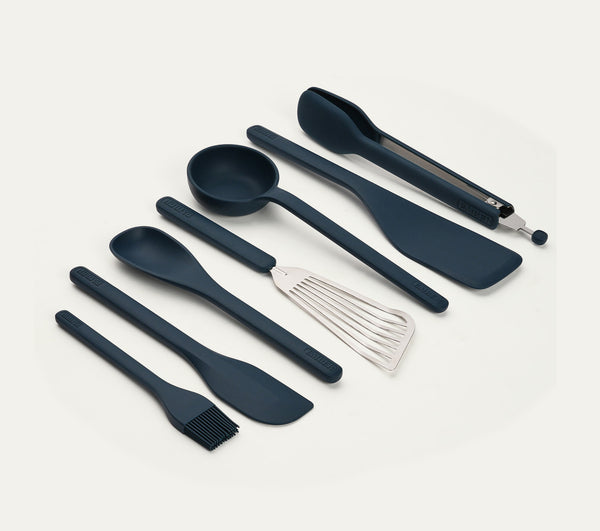
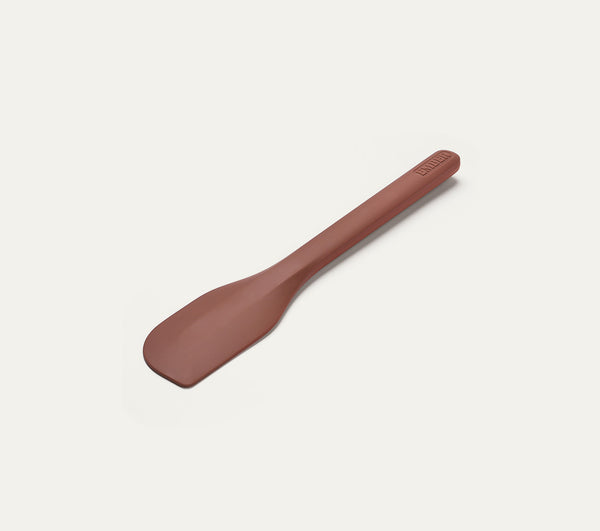
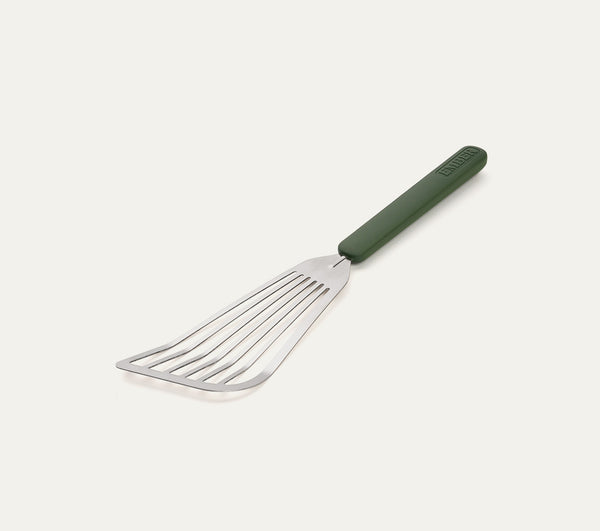
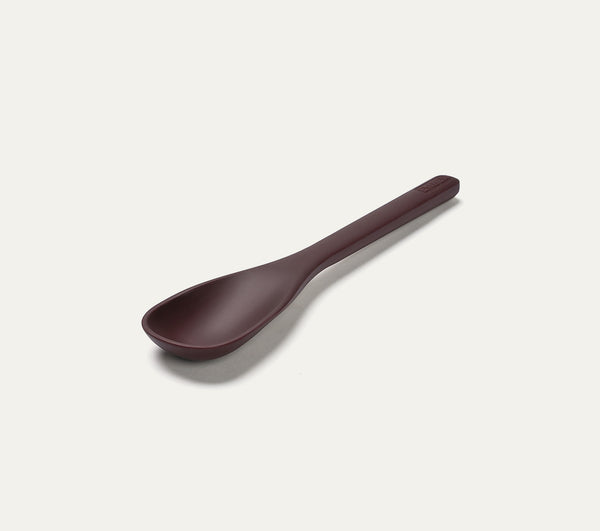
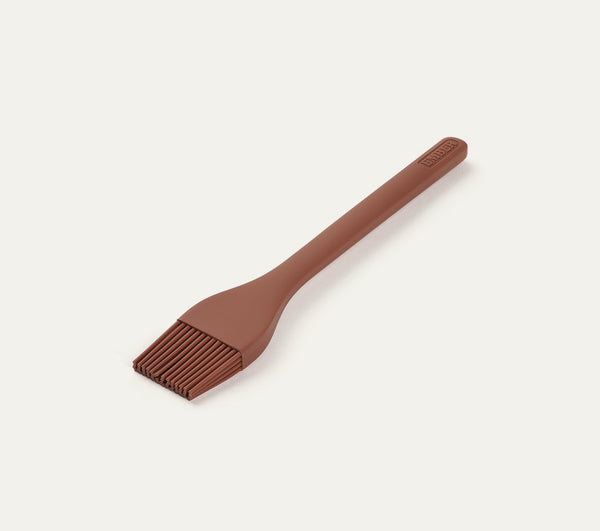
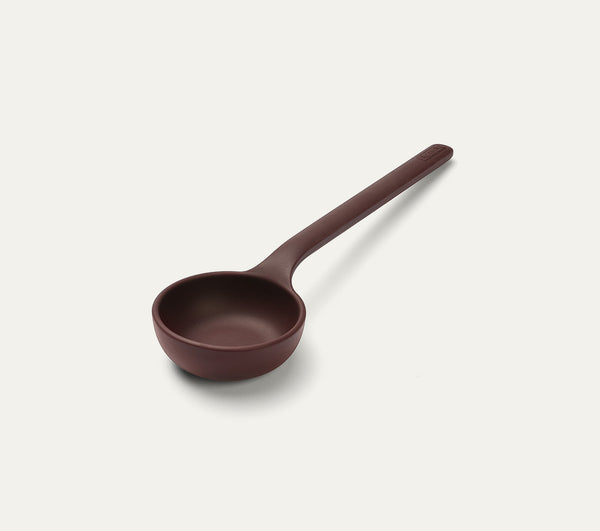
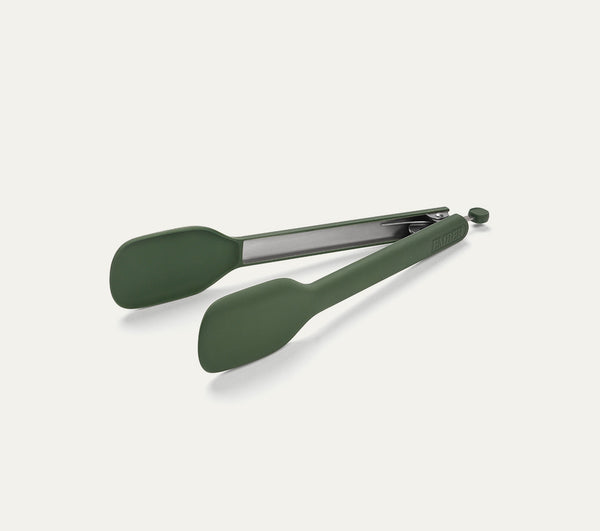
Includes Ladle, Brush, Flip, Stir, Scrape, Tong & Fish Spatula
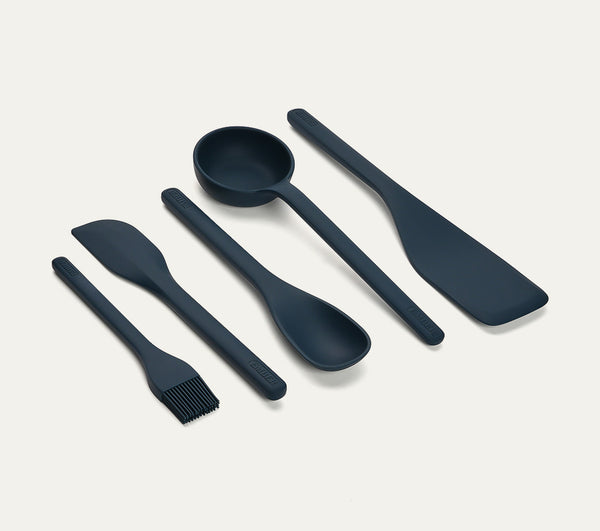
Includes Ladle, Brush, Flip, Stir & Scrape
You Asked,We Answered
1. What is a SuperPan?
This is a 2-in-one frypan and kadai where the surface has been reengineered using high energy plasma treatment - creating microscopic pores that allow for oil to sit on it and make it non-stick. This helps in easy food release and it is not a coating. This is 5-ply stainless steel which means it allows for excellent heat retention and distribution. Extremely hardy and durable.
Unlike conventional non-stick cookware, there is no coating to chip, peel or wear off.
2. Who is the SuperPan designed for?
It's ideal for:
- Everyday home cooks
- Cooking enthusiasts
- Families
- High-heat Indian cooking
- Anyone looking to move away from coated cookware
- Words to use/ avoid
Use:
- Uncoated non-stick
- NanoFusion™ Technology
- TitaniumSteel
- Engineered surface
- Plasma-treated stainless steel
- Easier food release
- No coating
- Scratch resistant
- Built to last / Durable
Avoid:
- Plasma coating
- Teflon
- Ceramic coating
- Permanent coating
- Naturally non-stick
- Scratch proof
- Never sticks
3. What is the Super Pan's cooking surface made of?
4. How does plasma treatment work?
The Super Pan uses a 5-ply construction:
Layer - Material
Layer 1, Cooking Surface - Plasma-Treated Stainless Steel (SS304)
Layer 2, Inner Core - Aluminum
Layer 3, Centre Core - Aluminum
Layer 4, Outer Core - Aluminum
Layer 5, Exterior - Stainless Steel (SS430)
Please note - The aluminum core is the inner layer, and will not get exposed/ or leech into your food. It is used because it ensures even heat conduction across the entire surface, reducing hot spots and providing the user with greater cooking control.
5. Does the Super Pan have a non-stick coating?
6. What is the Super Pan's temperature resistance?
7. Is the Super Pan PFAS-free and PFOA-free?
8. Why is the cooking surface darker/ black than regular stainless steel? Is it a coating?
9. What are the two cooking modes of the Super Pan?
Kadai Mode, best for curries, deep frying, and stir frying. The deep-wall profile holds liquids and sauces effortlessly.
Frypan Mode, best for searing, eggs, dosa, and pancakes. The flat bottom gives precise, even contact with the heat source.
10. Is the Super Pan rust resistant?
11. What comes in the box with the Super Pan?
• Super Pan, the cooking vessel, the core of the set.
• Tempered Glass Lid, heat-resistant glass with a stainless steel rim for moisture control and visual monitoring.
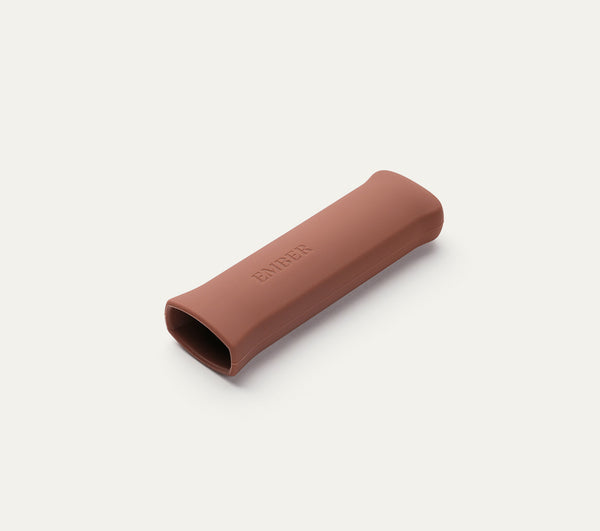
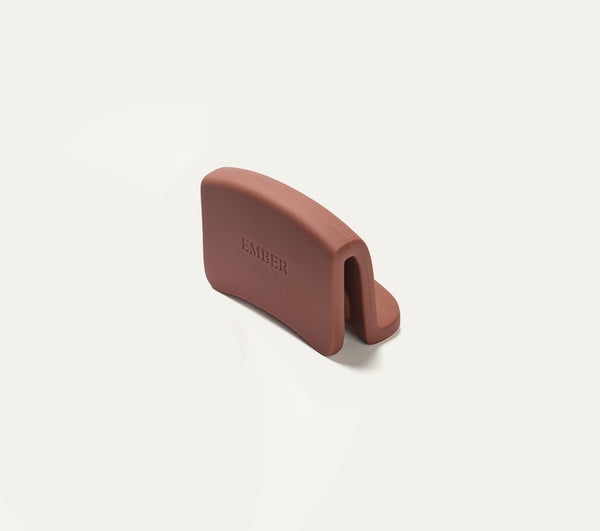
• Silicone Side Holder, a slip-on silicone grip for the helper handle, providing comfort and heat protection.
• Spatula, a purpose-built spatula designed to complement the pan's cooking surface.
1. What can I cook in the Super Pan?
2. Is the Super Pan induction compatible?
3. Is the Super Pan oven safe?
4. Can I cook without oil?
5. Do I need to season before first use?
6. Why do I need seasoning if there's no coating?
7. Can I use metal utensils on the Super Pan?
8. Is the Super Pan dishwasher safe?
9. Do I need to season the Super Pan before first use?
10. How do I season the Super Pan for the first time?
• Wash & Dry, Rinse the pan with warm water and dry completely with a soft cloth.
• Apply Oil, Add a thin layer of high smoke-point oil (avocado or grapeseed) to the cooking surface.
• Heat Gradually, Place on medium heat for 2–3 minutes until the oil begins to lightly smoke.
• Cool & Wipe, Remove from heat, let the pan cool completely, then wipe away excess oil with a paper towel.
11. How often should I re-season the Super Pan?
2. Are there any food restrictions when cooking in the Super Pan?
1. How should I clean the Super Pan day-to-day?
3. What warranty does the Super Pan come with?
- 10 years warranty - to cover manufacturing defects under normal household use.
4. I scratched my pan. Is it ruined?
5. Can I use steel wool?
7. I accidentally heated the pan empty on high heat. Is it damaged?
6. Can I cut food directly in the pan?
8. Will the pan always stay non-stick?
Technical Specifications:
Specification - Detail
Cooking Surface - Plasma-Treated Stainless Steel (SS304)
Construction - 5-Ply (Plasma SS + 3x Aluminum + SS430)
Non-Stick Level - National standard first level, fried eggs without oil
Long-Lasting Non-Stickiness - Best in category
Coating - None (plasma-treated, not coated)
PFAS / PFOA - Free
Toxic Chemicals - 0
Metal Utensil Safe - Yes
Induction Compatible - Yes, all cooktops
Oven Safe - Up to 500°F / 260°C
High-Temperature Resistance - High (up to 350°C on cooktop)
Dishwasher Safe - Yes
Rust Resistant - Yes
Corrosion Resistance - Better
Health Rating - Better
Heat Distribution Speed - 3x faster than cast iron
Food Restrictions - None
Body Warranty - Lifetime
Non-Stick Guarantee - 2 years
Return Policy - 30-day no-questions return
9. What happens if I don't use the oven for a few minutes?
10. What are the three rack levels used for?
Top level: More direct heat from the top; useful when you want additional browning or charring.
Middle level: The recommended starting position for most everyday cooking and baking.
Bottom level: Closer to the lower heating element; useful when you want more heat from below.
As a general rule, start with the middle level and move up or down depending on the recipe and desired result.
11. What is the Baking Mat used for?
The Baking Mat is heat-safe up to 175°C. It can be used with the Bake preset at 175°C, but if you increase the temperature above 175°C, remove the Baking Mat before cooking.
Always keep the Baking Mat away from direct contact with the heating elements.
12. What are the parchment papers used for?
13. How much water to use?
Bread & flatbreads - 5 mL (1 tsp) - Better crust, fluffier crumb
Steak & red meat - 10 mL (2 tsp) - Keeps it juicy and tender
Fish - 10 mL (2 tsp) - Stays moist and flaky
Chicken - 10 mL (2 tsp) - No more dry chicken. Ever.
Cakes & pastries - 5 mL (1 tsp) - Better rise, lighter texture
Rotisserie meats - 10 mL (2 tsp) - Keeps it moist while the outside chars.
For longer recipes, refill the water 2–3 times during cooking to maintain a steady flow of steam and achieve the best results.
What things should not be placed in the oven?
Do not place paper, cardboard, plastic, or other combustible materials inside the oven.
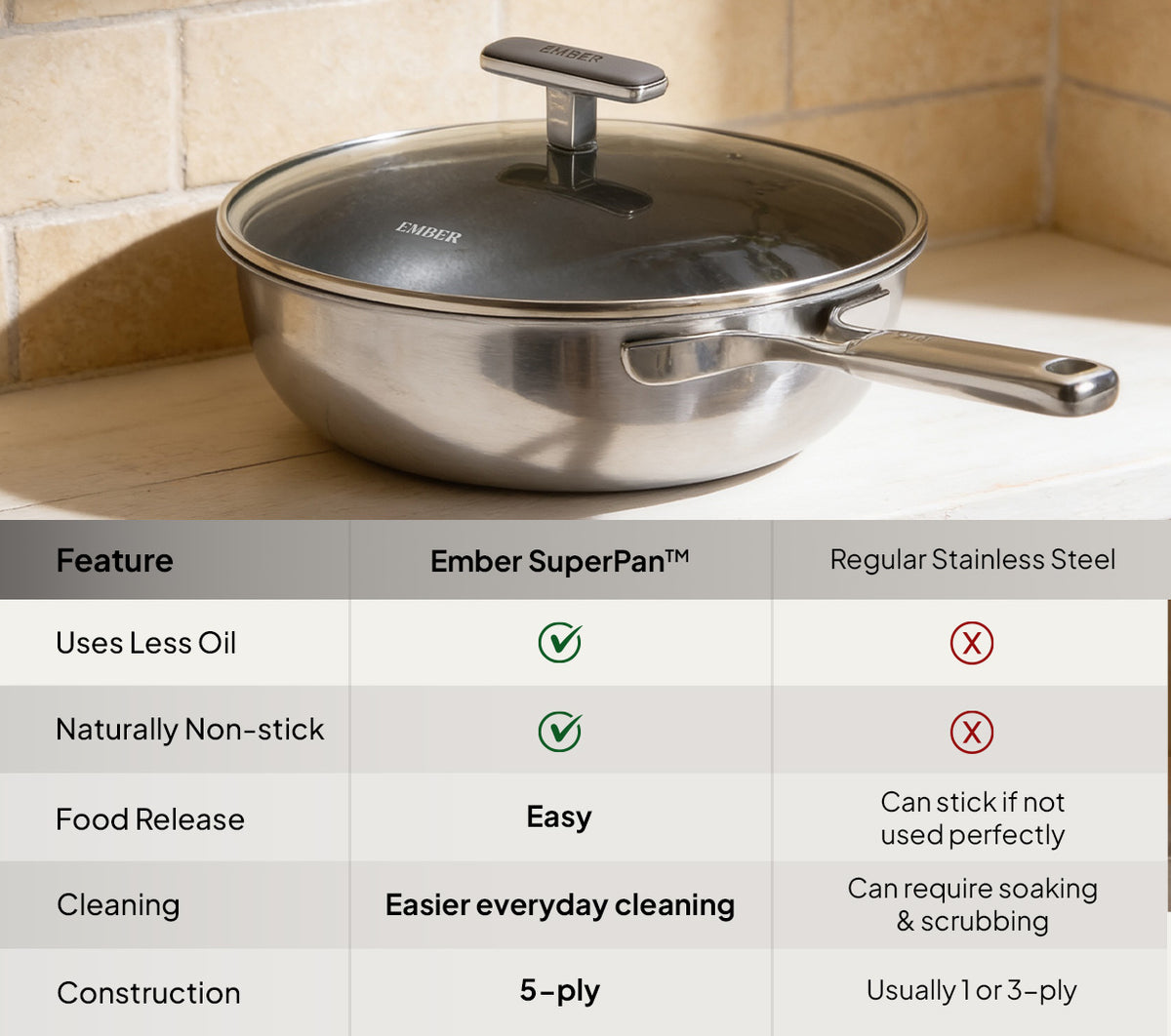
1. How is SuperPan different from regular stainless steel?
Compared to regular stainless steel, SuperPan
- Uses less oil for everyday cooking
- Natural non-stick performance, making food release easier
- Superior heat distribution with premium 5-ply construction for fast, even heating from edge to edge
- Easier cleaning, with less food sticking to the surface
- Premium 5 ply construction, unlike most traditional stainless steel pans that use 1-ply, 3 ply construction
In short, SuperPan gives you the durability and longevity of stainless steel with a cooking experience that's easier, more forgiving and better suited to everyday use.
