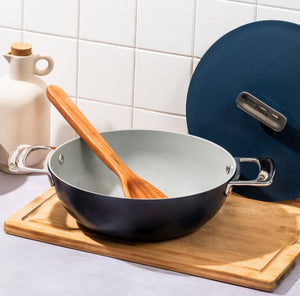
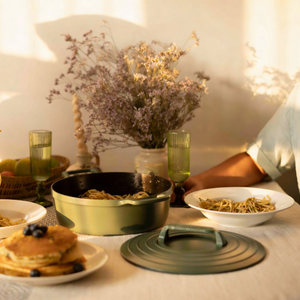
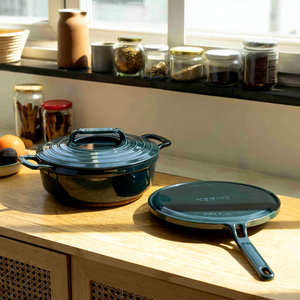


Many Indian households are choosing healthier cooking habits by reducing the amount of oil used in daily meals. However, cooking with little or no oil often brings a common challenge: food sticking to the pan. Choosing the right oil-free cooking pan can make a noticeable difference, but cookware alone is not the answer. The material, heat control and cooking technique all matter. The following sections explain which cookware works best, what to avoid and practical tips for successful oil-free cooking.
Why Cookware Choice Matters for Oil-Free Cooking?
Cooking without oil places greater emphasis on the cookware itself. The cooking surface, heat distribution, and heat retention all influence how easily food releases and how evenly it cooks. Choosing well-designed cookware suited to your cooking style can improve everyday cooking performance while making low-oil meals easier to prepare.
Best Cookware for Oil-Free Cooking
The right cookware can make oil-free cooking easier. Different materials offer different benefits, so choose one that suits your cooking style. Some reliable options include:
-
Stainless Steel: Stainless steel performs well when preheated correctly. Add a little water, vegetable stock or broth to reduce sticking. As the liquid evaporates, food browns naturally without extra oil.
-
Cast Iron and Enamelled Cast Iron: Seasoned cast iron develops a naturally easy-release surface and retains heat well, making it suitable for sautéing, roasting and slow cooking. Enamelled cast iron offers similar performance without requiring seasoning.
-
Quality Ceramic Cookware: Certified ceramic cookware provides a naturally non- stick cooking surface for vegetables, eggs and pancakes. If you are looking for a dependable, healthy frying pan, choose high-quality ceramic cookware from trusted manufacturers. It is also a good option when comparing healthy cookware Indian products.
Choosing cookware that matches your cooking habits helps improve cooking performance and durability. At Ember Cookware, our Ceramic Cookware, Pre-Seasoned Cast Iron, and TitaniumClad™ Cast Iron collections are designed to help home cooks choose the right cookware for different recipes and cooking styles.
Cookware to Avoid for Oil-Free Cooking
Some cookware materials are less suitable for oil-free cooking because they may react with food or wear out quickly. These include:
-
Bare Aluminium: May react with acidic ingredients such as tomatoes, vinegar and tamarind. It also scratches easily, making it less suitable for regular use.
-
Unlined Copper: Conducts heat well but reacts with acidic foods unless lined with another metal, such as stainless steel.
-
Cheap or Uncertified Ceramic Cookware: Poor-quality coatings may chip or wear quickly. Choose certified cookware from trusted manufacturers for better durability.
-
Old or Chipped Non-Stick Cookware: Damaged coatings reduce cooking performance and cause food to stick more easily. Replace chipped or peeling cookware.
Choosing durable, high-quality cookware helps improve cooking performance and supports long-term use.
Tips to Cook Oil-Free Without Food Sticking
The right cooking technique is just as important as the cookware. These simple tips can help reduce sticking:
-
Preheat the Pan: Heat the pan before adding ingredients to reduce sticking.
-
Use Water or Stock: Add small amounts of water, vegetable stock or broth to maintain moisture.
-
Stir Regularly: Stir ingredients often so they cook evenly.
-
Cook Over Moderate Heat: Use lower heat to prevent burning and sticking.
-
Deglaze the Pan: Add a little water or stock after browning to lift flavourful bits.
-
Avoid Overcrowding: Leave enough space for ingredients to cook evenly.
Following these tips helps you get the best results from an oil-free cooking pan while preserving flavour and texture.
How to Choose the Right Cookware for Oil-Free Cooking?
Selecting cookware involves more than choosing a popular material. Before making a purchase, consider the following factors:
-
Check Material Certification: Look for cookware that clearly states recognised manufacturing standards and material certifications.
-
Choose PFAS-Free Products Where Applicable: If buying non-stick cookware, select products that clearly state they are PFAS-free or meet recognised safety standards.
-
Prioritise Quality Over Quantity: Buying two or three well-made pans is often more practical than frequently replacing cheaper cookware.
-
Match the Pan to the Cooking Method: Stainless steel is ideal for sautéing and browning, while cast iron is better suited for roasting and slow cooking.
-
Consider Induction Compatibility: If you use an induction hob, confirm that the cookware is compatible before purchasing.
Choosing cookware that matches your cooking style and kitchen needs makes a practical investment that delivers reliable performance for years.
Conclusion
Stainless steel and cast iron are reliable starting points for oil-free cooking, but technique matters just as much as the cookware you choose. Proper preheating, moderate heat and using water or stock can help reduce sticking while preserving flavour and texture.
At Ember Cookware, our stainless steel and cast iron cookware are designed for everyday durability and consistent performance. Choosing quality cookware and using the right cooking methods can help you prepare healthier meals with greater confidence.
FAQs
What is the best pan for oil-free cooking?
Stainless steel, seasoned cast iron and certified ceramic cookware are among the best choices for oil-free cooking. The right option depends on your cooking style, the foods you prepare and proper heat control.
Can you cook without oil in a non-stick pan?
Modern PFOA-free non-stick cookware can be used without oil over low to medium heat. Avoid overheating the pan and use wooden or silicone utensils to help protect the coating.
Is stainless steel good for oil-free cooking?
Stainless steel performs well when preheated correctly and used with small amounts of water, broth or vegetable stock before natural browning begins.
What cookware should be avoided for healthy cooking?
Bare aluminium, unlined copper, old or chipped non-stick cookware and poor-quality ceramic cookware are less suitable as they may react with food or lose performance over time.
How do you stop food from sticking without oil?
Preheat the pan properly, cook over moderate heat, add water or stock when needed, stir regularly, avoid overcrowding the pan and deglaze the cooking surface during cooking for better results.
