

If you're planning to buy ceramic cookware, safety is likely one of the first questions on your mind. From claims about non-toxic coatings to concerns about high-heat cooking and durability, there's plenty of information to sort through. Understanding what ceramic cookware is made of, how it performs in everyday cooking, and what to look for before buying can help you choose cookware that suits your kitchen and cooking style.
What is Ceramic Cookware Made Of?
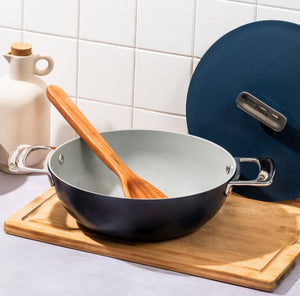
Most ceramic cookware available today is ceramic-coated, not made entirely from ceramic. It features an aluminium or stainless steel body with a silica-based ceramic coating applied through a sol-gel process. This creates a smooth cooking surface that helps reduce food sticking.
Unlike many conventional non-stick coatings, high-quality ceramic cookware is made without PTFE or PFOA. However, its safety depends on more than just these claims. The quality of the coating, manufacturing standards, and how the cookware is used and maintained all play an important role in determining its overall safety and performance.
Health and Heat Considerations When Using Ceramic Cookware
Many home cooks choose ceramic cookware because high-quality ceramic coatings are generally made without PFAS, PTFE, and PFOA. Its naturally smooth surface also allows food to release easily, which can help reduce the amount of oil needed for everyday cooking. However, healthy meals still depend on the ingredients you use and your cooking habits.
The quality of the cookware is just as important as the material. Choosing ceramic cookware from a trusted brand and following the recommended care instructions helps maintain its cooking performance and food-contact safety. At Ember Cookware, our ceramic cookware ranges feature the Arcilla™ 2.0 ceramic coating, which is free of PFAS, PTFE, and PFOA and is designed for everyday cooking.
Are Ceramic Pans Safe? Myths vs Facts
Not everything you hear about ceramic cookware is accurate. Understanding the facts behind some common myths can help you make a more informed buying decision.
-
Myth: All ceramic cookware is the same.
Fact: Quality varies based on the coating, base material, and manufacturing standards. Choosing a trusted brand makes a difference. -
Myth: Ceramic cookware is only for light cooking.
Fact: It is well-suited for everyday Indian dishes, including tadkas, sabzis, curries, omelettes, and stir-fries. -
Myth: Ceramic cookware loses its non-stick performance quickly.
Fact: With proper care and use, quality ceramic cookware can provide reliable food release for everyday cooking.
Understanding these facts can help you choose ceramic cookware that suits your cooking style and enjoy its performance for years with proper care.
How to Use Ceramic Cookware Safely Every Day
Correct handling protects the coating and supports consistent performance. Useful practices include:
-
Control the flame: Use low or medium heat for most meals.
-
Avoid empty heating: Do not leave an empty pan over heat for long.
-
Choose gentle utensils: Use wooden or silicone tools instead of sharp metal utensils.
-
Wash carefully: Let the cookware cool, then hand-wash it with mild washing liquid and a soft sponge.
-
Prevent thermal shock: Never pour cold water into a hot pan.
-
Protect stored cookware: Place a soft liner between stacked pans.
-
Replace damaged pans: Stop using cookware with widespread peeling, large chips or exposed metal.
These habits reduce avoidable wear and help preserve the ceramic surface.
Does Ceramic Cookware Suit Indian Cooking?
Ceramic cookware can suit tadka, sautéing, shallow frying, simmering and controlled bhunao when cooks manage the flame. Heat oil gradually and avoid leaving an empty kadai or frying pan on high heat. Choose cast iron or stainless steel for intense dry roasting, deep frying or prolonged searing.
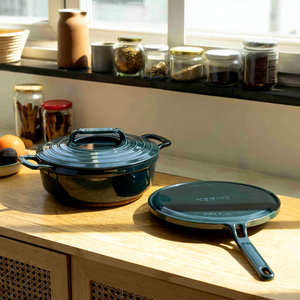
Quality ceramic cookware is also suitable for recipes made with tomatoes, tamarind, and lemon when used as recommended. Ember Cookware's Ceramic Frypan, Ceramic Kadai, and Ceramic Tawa are designed for everyday Indian cooking, delivering smooth food release and even heat distribution for a variety of daily meals.
Conclusion: Is Ceramic Cookware Worth It?
Ceramic cookware is generally considered a safe choice for everyday cooking when it is made with high-quality materials and used according to the manufacturer's care instructions. From preparing simple breakfasts to flavourful Indian meals, it offers easy food release, convenient cleaning, and reliable performance. Choosing cookware from a trusted brand and following good cooking practices can help you enjoy its benefits while maintaining its performance for years.
Explore Ember Cookware's ceramic collection to find thoughtfully designed Frypans, Kadais, and Tawas for healthier, hassle-free everyday cooking.
FAQs
Does Ceramic Cookware Contain PFAS or PFOA?
Many ceramic cookware products are manufactured without PFAS, PTFE or PFOA, but the word “ceramic” alone does not confirm this. Read the manufacturer's material declaration and look for credible, product-specific testing before buying.
Can Ceramic Pans Be Used for Acidic Foods?
A good ceramic coating can handle tomatoes, tamarind, and other acidic foods if you follow the manufacturer’s instructions. Replace the pan if you see large areas peeling or if the metal base is exposed.
How Does Ceramic Cookware Compare with Teflon in Terms of Health?
Many conventional non-stick pans contain PTFE (Teflon®) and other microplastics that can leach into food. Ceramic cookware offers a PFAS-, PTFE-, and PFOA-free alternative. Ember Cookware's ceramic range is free from PTFE (Teflon®) and other chemicals, making it a suitable choice for everyday cooking.
When Should I Replace a Ceramic Pan?
Replace a ceramic pan when the coating shows widespread peeling, large chips, deep scratches or exposed metal. A major loss of non-stick performance that careful cleaning cannot restore may also indicate that the coating has reached the end of its useful life.
