

If you are thinking of upgrading your kitchen essentials, ceramic cookware is one of the first options you will come across. It is known for its smooth non-stick surface, stylish look, and ease of use, making everyday cooking feel simpler and more convenient. From quick breakfasts to full meals, it fits easily into most cooking routines without much hassle. However, like any cookware, it comes with its own strengths and limitations. Understanding ceramic cookware's pros and cons will help you decide whether it suits your cooking style and daily kitchen needs.
What is Ceramic Cookware?
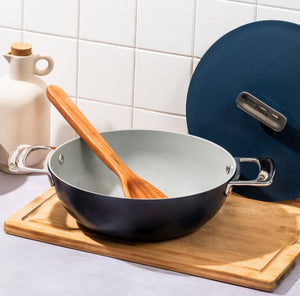
Ceramic cookware is made with a metal base, usually aluminium, coated with a ceramic-based non-stick layer. The aluminium helps distribute heat evenly, while the ceramic coating creates a smooth cooking surface that prevents food from sticking and reduces the need for excess oil. Unlike many traditional non-stick options, ceramic cookware is generally made without PTFE or PFOA-based coatings. At Ember Cookware, our ceramic Frypan is made with recycled aluminium and a proprietary 9H ceramic coating designed for efficient low- to medium-heat cooking, while remaining completely free of PFAS, lead, ceramides, and Teflon.
Pros of Ceramic Cookware
Ceramic cookware is widely appreciated for the convenience and ease it brings to everyday cooking. Its combination of non-stick performance, comfortable handling, and modern design makes it a practical option for many kitchens.
-
Naturally non-stick performance: Ceramic cookware provides a smooth cooking surface that prevents foods like eggs, dosas, pancakes, and vegetables from sticking. This makes everyday cooking more convenient and reduces food sticking.
-
Free from harmful chemicals: High-quality ceramic cookware is typically free from PFAS, lead, and Teflon, making it suitable for households focused on cleaner cooking practices.
-
Easy to clean: Food residue does not stick to the surface, making it easier to wash with warm water and a soft sponge. This helps reduce the need for heavy scrubbing after meals.
-
Suitable for multiple cooktops: Many ceramic cookware products are compatible with gas, induction, and electric cooktops. This versatility makes them practical for a wide variety of Indian kitchen setups.
-
Supports low-oil cooking: The non-stick surface allows you to cook with less oil or butter. For households aiming to prepare balanced everyday meals, this can be a useful advantage.
-
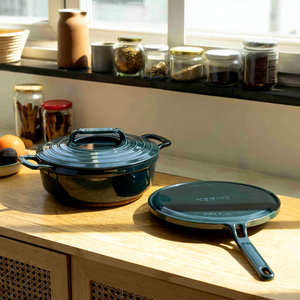
Modern and refined design: Ceramic cookware combines functionality with contemporary design. Ember Cookware, in particular, brings together premium aesthetics, Italian manufacturing, and thoughtful engineering in products like our Ceramic Frypan and Tawa.
These benefits make ceramic cookware well-suited for modern kitchens that value both functionality and a cleaner cooking experience.
Cons of Ceramic Cookware
While ceramic cookware offers several everyday advantages, it also requires proper use and care to maintain its performance over time.
-
The coating may wear over time: Regular use can gradually reduce the ceramic coating's non-stick performance.
-
Not suitable for high-heat cooking: Ceramic cookware performs best on low- to medium-heat settings.
-
Needs careful handling: Metal utensils and rough scrubbers may scratch the surface.
-
Quality varies across brands: Coating quality and construction standards can affect durability and cooking performance.
-
Requires regular care: Proper cleaning and heat control help extend the cookware's lifespan.
Understanding these ceramic cookware pros and cons can help you choose cookware that best suits your everyday cooking needs.
Is Ceramic Cookware Good for Health?
Ceramic cookware is often considered a healthier alternative to many traditional non-stick options because it is typically made without certain chemicals associated with older coatings. Its smooth cooking surface and ability to support low-oil cooking make it a practical choice for everyday meals.
However, quality plays an important role in both safety and performance. A well-made ceramic frypan or tawa built with high-quality materials delivers consistent cooking results and offers better durability over time.
Can Ceramic Pans Be Used for Everyday Cooking?
Ceramic pans are well-suited for daily cooking needs, particularly for meals prepared over low to medium heat. They work especially well for dishes such as dosas, rotis, sautéed vegetables, eggs, grilled sandwiches, and light gravies prepared in a Dutch Oven or Kadai. Their easy-release surface and low-oil cooking support make them practical for regular household use.
Ceramic Cookware vs Non-Stick Cookware
Both ceramic cookware and traditional non-stick cookware offer convenience, but there are key differences in materials, heat usage, and health considerations.
|
Feature |
Ceramic cookware |
Non-stick cookware |
|
Coating |
Ceramic-based coating |
PTFE-based coating |
|
Toxin-free focus |
Usually free from PFAS and Teflon |
Depends on the brand |
|
Heat usage |
Best on low-to-medium heat |
Often suitable for moderate heat |
|
Lifespan |
Depends heavily on maintenance |
Depends on coating quality |
|
Cleaning |
Easy with gentle cleaning |
Easy |
|
Health appeal |
Strong clean-living focus |
Varies between products |
Understanding the pros and cons of ceramic pots and pans becomes easier when evaluating cookware based on cooking habits, maintenance expectations, and long-term usability.
How Long Does Ceramic Cookware Last?
The lifespan of ceramic cookware depends largely on how it is used and maintained. With proper care, high-quality ceramic cookware can perform well for several years in a home kitchen. Daily cooking habits, cleaning methods, and heat usage all influence durability.
To extend the life of ceramic cookware, avoid overheating, sudden temperature changes, and abrasive cleaning tools. Low- to medium-heat cooking helps preserve the coating more effectively over time. When discussing the pros and cons of ceramic cookware, long-term performance is closely tied to consistent care.
How to Choose the Right Ceramic Cookware?
Choosing the right ceramic cookware involves looking beyond appearance and focusing on material quality, safety standards, and everyday cooking performance.
-
Check whether the cookware is free from PFAS, lead, and Teflon.
-
Look for durable base materials such as recycled aluminium.
-
Confirm compatibility with induction cooktops if required.
-
Choose cookware designed for everyday Indian cooking styles.
-
Prioritise brands with transparent manufacturing standards.
-
Evaluate coating quality and overall construction carefully.
Carefully selected ceramic cookware can offer a better balance of convenience, durability, and cleaner cooking for long-term everyday use.
Conclusion
Ceramic cookware is best suited for home cooks who value non-toxic materials, easy maintenance, and efficient everyday cooking at low to medium heat. It works particularly well for households preparing balanced daily meals, from dosas and rotis to vegetables, eggs, and light gravies. Understanding the pros and cons of ceramic cookware can help buyers choose cookware that aligns with both their cooking habits and long-term kitchen needs.
For those looking to bring together cleaner cooking, thoughtful design, and everyday practicality, explore Ember Cookware's Ceramic Frypan and Tawa collection.
