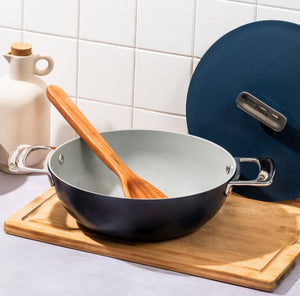
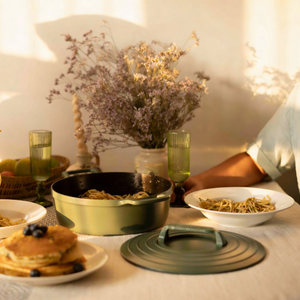
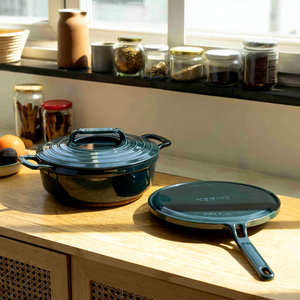


The aroma of perfectly sautéed spices, evenly cooked vegetables, and rich, slow-simmered curries often begins with one underrated kitchen essential: the kadai. More than just cookware, the best kadai for cooking can influence flavour, texture, cooking time, and even how enjoyable cooking feels every day. With so many choices available today, choosing the best kadai for cooking is no longer just about appearance or price. The material, coating, and size all play an important role in performance. Whether you prepare simple daily meals or festive spreads, the right kadai can make a noticeable difference in your overall cooking experience.
Why Does Kadai Material and Size Matter?
The material of your kadai affects how evenly food cooks, how much oil you need, and even the final taste of your dishes. Choosing the wrong one can lead to food sticking, uneven heating, or difficulty while cooking daily meals. That is why selecting the best kadai for cooking is important for both convenience and better cooking results.
Size is equally important. A small kadai can feel overcrowded and messy, while an oversized one may waste heat and make stirring difficult. The best material for kadai works effectively only when you choose a size that suits your everyday cooking needs.
Types of Kadai Materials
Understanding each material helps you decide which kadai is best for cooking in your kitchen.
Cast Iron Kadai: A traditional, heavy-duty material that improves with use. It is best for slow cooking and dishes that need steady heat. Best for home cooks who enjoy traditional cooking and are comfortable with extra maintenance.
Stainless Steel Kadai: A reliable choice for everyday cooking. It is non-reactive, durable, and easy to clean, making it suitable for daily use without requiring extra maintenance.
Non-stick Kadai: Made for easy everyday cooking, this kadai allows food to release smoothly and requires less oil, making it ideal for beginners and busy kitchens. To keep the coating in good condition, it should be handled with care.
Ceramic Kadai: A good option for health-conscious cooking, with a naturally smooth and non-toxic surface. Free from PFAS, lead, and Teflon, it is ideal for those who want safer everyday cookware that performs well.
Hard Anodised Kadai: A strong and efficient option that resists wear and tear. It is suitable for regular use and offers consistent cooking results for a variety of dishes.
Which Kadai Is Good for Health?
The healthiest kadai depends largely on the material and cooking surface. Cast iron is valued for its durability and natural iron release, while stainless steel is considered stable and reliable for everyday cooking. Non-stick cookware offers convenience, but safety can vary depending on the coating quality and usage.
Among modern cookware options, ceramic kadais are widely considered a healthier choice as they are free of harmful chemicals such as PFAS and Teflon. They also support low-oil cooking, making everyday meals feel lighter and cleaner.
At Ember Cookware, our ceramic kadais feature a non-toxic ceramic coating that promotes even heat distribution, helping food cook evenly without excessive heat. This makes them a practical option for those looking for a balance of safety, convenience, and everyday performance.
Kadai Size Chart - Which Size Is Right for You?
This kadai size chart helps you choose the right size based on your household, cooking portions, and everyday meal requirements for a more comfortable cooking experience.
|
Kadai Size |
Ideal For |
Serves How Many |
Best Use |
|
18 cm |
Small servings, side dishes |
1–2 |
Quick cooking, light meals |
|
20 cm |
Small households |
2 |
Daily basic cooking |
|
24 cm |
Small family use |
3–4 |
Curries, sabzi, rice dishes |
|
26 cm |
Medium families |
4–5 |
Regular everyday meals |
|
28 cm |
Large families |
5–6 |
Batch cooking |
|
30 cm+ |
Extended families |
6+ |
Large meal preparation |
Choosing the right kadai material and size can make everyday cooking easier, healthier, and far more enjoyable in the long run.
Cast Iron vs Non-stick vs Stainless Steel vs Ceramic Kadai
Each kadai material offers a different balance of durability, cooking performance, maintenance, and health benefits, making this comparison helpful before choosing one for your kitchen.
|
Factor |
Cast Iron |
Non-stick |
Stainless Steel |
Ceramic |
|
Heat Retention |
High |
Medium |
Medium |
Even and balanced |
|
Non-stick |
Natural over time |
Yes |
No |
Yes |
|
Toxin-free |
Yes |
Varies |
Yes |
Yes, non-toxic |
|
Durability |
Very high |
Medium |
High |
High |
|
Maintenance |
High |
Low |
Low |
Low |
|
Best For |
Traditional cooking |
Quick meals |
Everyday use |
Clean, mindful cooking |
|
Health Factor |
Good with care |
Depends on coating |
Safe |
Strong clean choice |
Each material serves a purpose, but ceramic brings together ease and clean cooking in a balanced way.
Which Kadai is Best for Specific Indian Dishes?
Different Indian dishes benefit from different kadai materials, depending on the cooking style and heat required.
-
Curries: Ceramic and stainless steel kadais are ideal for even simmering and balanced flavours.
-
Dal Tadka: Cast iron works well for slow cooking and rich flavour development.
-
Paneer Dishes: Ceramic and non-stick kadais help prevent sticking and cook delicate ingredients gently.
-
Biryani-Style Cooking: Stainless steel and cast iron offer good heat retention for layered cooking.
-
Dry Sabzi: Ceramic and non-stick kadais make tossing easier while using less oil.
Choosing the right kadai can improve both cooking performance and everyday convenience.
How to Choose the Right Kadai for Your Kitchen?
The right kadai should match your cooking style and daily kitchen needs.
-
Family Size: Wider kadais suit larger families, while compact sizes work for smaller homes.
-
Cooking Style: Cast iron is ideal for slow cooking, while ceramic and non-stick suit quick, low-oil meals.
-
Cooktop Type: Check compatibility with gas or induction.
-
Health Preference: Ceramic kadais are preferred for cleaner, non-toxic cooking.
-
Budget & Storage: Stainless steel is affordable, while heavier kadais need more storage space.
Choosing the right kadai makes daily cooking easier and more efficient.
Conclusion
There is no single winner, only what fits your kitchen rhythm. Cast iron brings tradition and depth, stainless steel offers everyday reliability, and non-stick focuses on convenience. Ceramic, however, creates a quiet middle ground where clean cooking and ease meet without compromise.
For those moving towards healthy cooking, Ember Cookware's ceramic approach fits naturally into daily life. Designed in California, crafted in Italy, and built with a 9H ceramic coating on recycled aluminium, it brings together thoughtful design and a non-toxic cooking experience that supports better everyday choices.
Frequently Asked Questions (FAQs)
Q. Which Kadai Is Best For Everyday Indian Cooking?
Stainless steel or ceramic kadais are most practical for daily use due to their balance of durability and ease.
Q. What Size Kadai Is Best For A Family Of Four?
A 24 cm or 26 cm kadai works best for a typical family of four.
Q. Is A Cast-Iron Kadai Better Than A Non-Stick?
Cast iron is more durable and improves with use, while non-stick offers easier handling but needs careful maintenance.
Q. What Is The Best Material For A Kadai?
Ceramic is increasingly preferred for its non-toxic surface and balanced cooking performance.
Q. Is A Ceramic Kadai Safe For Daily Cooking?
Yes, especially when designed without harmful chemicals like PFAS, lead, or Teflon, making it suitable for everyday meals.
