

The frying pan you choose can change how smooth or stressful your everyday cooking feels. Some heat up quickly, some hold heat better, and some make flipping and cleaning feel almost effortless. That is why finding the best material for a frying pan matters more than it seems at first glance. The material plays a big role in how your food turns out, how much oil you need, and how long the pan stays in good shape. With many options available, you might get confused about what works best. Knowing the main differences can help you pick a pan that suits your cooking routine.
Why the Material of a Frying Pan Makes a Difference
The material of your frying pan affects how quickly and evenly it heats up, which directly impacts how your food cooks. Some pans heat fast and respond quickly to temperature changes, while others hold heat longer for steady cooking. It also influences how much food sticks or releases easily from the surface. Apart from cooking performance, different pan materials vary in ease of cleaning, durability, and everyday safety, especially regarding non-stick coatings and long-term use.
Types of Frying Pans Materials
Choosing the right frying pan material can make everyday cooking smoother, more efficient, and more enjoyable. It influences how your food cooks, how much oil you need, and how easy the pan is to maintain over time. Here are some of the best frying pan materials to consider:
-
Cast iron: Cast iron is known for its heat retention and natural non-stick qualities over time. It is great for slow cooking, searing, and dishes that need steady heat. It suits home cooks who enjoy traditional cookware and do not mind a bit of maintenance.
-
Stainless steel: This is a durable, nonreactive material often used for browning and deglazing. It does not have a non-stick surface, so it works best when you are comfortable using a bit more oil. Ideal for cooks who want control and versatility.
-
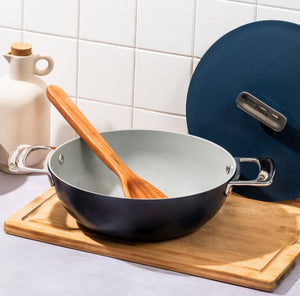
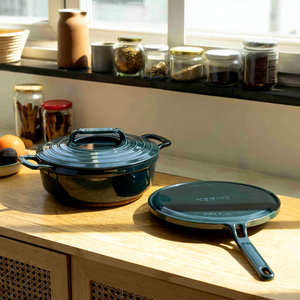
Ceramic: Ceramic pans use a smooth, non-toxic coating that allows food to release easily with minimal oil. Our ceramic frying pan range features a proprietary 9H coating, is crafted from recycled aluminium, and is designed for low- to medium-heat cooking. It is best for those who prioritise clean living and everyday ease.
-
Non-stick: Non-stick pans are designed for convenience, making them perfect for quick meals like eggs, pancakes, or sautéed vegetables. They are easy to use and clean, making them a popular choice for busy kitchens.
-
Hard anodised: Hard-anodised pans are made by strengthening aluminium through an electrochemical process, making them tougher and more durable. They heat evenly and are ideal for regular cooking, offering a reliable balance of strength, performance, and everyday practicality.
Each type brings its own strengths, so the right choice depends on how you like to cook and what matters most in your daily kitchen routine.
Comparison of Frying Pan Materials
A simple side-by-side view can make it much easier to understand how different frying pan materials perform in everyday cooking. Here is a quick comparison of common frying pan materials to help you understand their differences at a glance.
|
Feature |
Cast Iron |
Stainless Steel |
Ceramic |
Non-stick |
Hard Anodised |
|
Heat retention |
High |
Medium |
Medium |
Low |
Medium |
|
Non-stick |
Medium (seasoned) |
Low |
High |
High |
Medium |
|
Toxin-free |
Yes |
Yes |
Yes |
Varies |
Yes |
|
Durability |
Very high |
High |
Medium |
Medium |
High |
|
Maintenance |
High |
Medium |
Low |
Low |
Low |
|
Best for |
Slow cooking |
Searing |
Clean cooking |
Quick meals |
Daily use |
Each type of frying pan has a different use. The best material for your frying pan depends on how you cook, not on one best option for everyone.
Which is the Best Frying Pan Material For Indian Cooking?
Indian cooking often involves a mix of techniques, from sautéing onions and spices to simmering tomato-based gravies. This means your pan needs to handle steady, controlled heat rather than extreme temperatures. Materials that work well with low-to-medium heat help retain flavour without burning ingredients.
For everyday use, ceramic pans are a strong choice for health-conscious cooking, while stainless steel and cast iron work well for deeper flavours and traditional recipes. Many home cooks prefer to keep more than one type of pan so they can switch based on the dish rather than relying on a single option.
How To Choose the Right Frying Pan?
Choosing the right frying pan depends on how you cook and what matters most in your daily kitchen routine. A few simple factors can help you narrow down the best option for your needs.
-
Cooking style: Choose based on whether you sauté, simmer, or cook quick meals most often.
-
Cooktop type: Ensure compatibility with gas or induction, depending on your kitchen setup.
-
Health preference: Opt for toxin-free surfaces if clean cooking is a priority.
-
Maintenance level: Pick low-maintenance pans if you prefer easy cleaning.
-
Budget: Balance long-term durability with upfront cost.
-
Handle comfort: A sturdy, heat-resistant handle improves everyday usability.
By keeping these points in mind, you can select a frying pan that feels practical, comfortable, and reliable for everyday use.
Conclusion
There is no single best frying pan material, as every kitchen has different needs. Cast iron works well for slow, traditional cooking, stainless steel is great for browning and flavour, anodised pans offer durable everyday use, and ceramic provides a simple, non-toxic, easy-release cooking experience.
Ember Cookware's ceramic frypan is well-suited for everyday Indian cooking, offering a recycled aluminium build and a 100% non-toxic surface. It is ideal for light frying, sautéing, and simple home-cooked meals.
Frequently Asked Questions (FAQs)
Q. What Is The Best Material For A Frying Pan?
The best material for a frying pan depends on your cooking style, but ceramic, stainless steel, and cast iron are among the most popular choices.
Q. Which Frying Pan Material Is Safest For Health?
Ceramic and stainless steel frying pans are considered safest for health due to their non-toxic, chemical-free cooking surfaces.
Q. What Type Of Frying Pan Is Best For Indian Cooking?
Pans that handle low to medium heat well, such as ceramic or stainless steel, work best for everyday Indian meals.
Q. Which Frying Pan Material Lasts The Longest?
Cast-iron frying pans last the longest, offering exceptional durability and improving with proper care over time.
Q. What Is The Difference Between Ceramic And Non-Stick Frying Pans?
Ceramic is a mineral-based, non-toxic surface designed for clean cooking, while non-stick pans use synthetic coatings for easy food release.
